

Cement
Triveni Turbines: Steam turbine case study

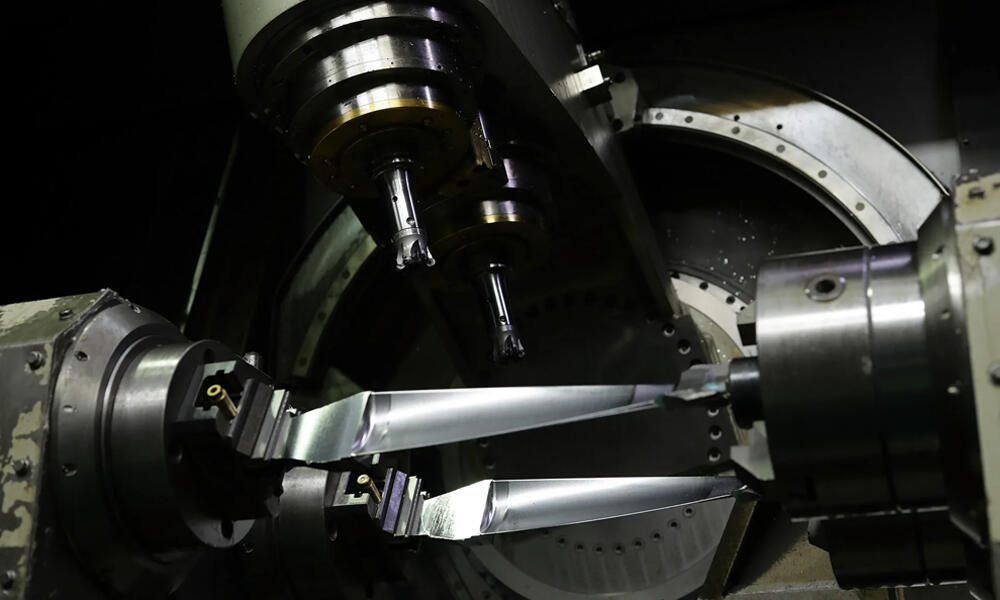
Triveni Turbines, installer of over 6000 steam turbines in over 80 countries, details projects in India and Turkey.
Triveni Turbines manufacturers injection condensing steam turbine generators (STGs) designed specifically for the cement industry. These custom-engineered STGs are optimised for low inlet parameters and high flow rates, making them suit-able for flue gas conditions from pre-heater exhausts and the admission of low pressure injection steam from air quench cooler boilers. The low-pressure condensing modules excel at handling operational variability while providing steam path efficiencies. Triveni Turbines has installed numerous STGs in waste heat recovery (WHR) applications for the cement industry, from replacing an existing turbine module to designing and commissioning higher capacity STGs. These turbines are setting record heat recovery rates for customers and contributing to the industry’s success towards increased captive power capacity and energy efficiency.The in-house installation and commissioning teams offer a seamless experience for plant operators, and this expertise is further supported by a customer service team available 24/7.customer service team available 24/7.
Case study one
Triveni’s STGs operate successfully in cement plants worldwide, efficiently generating power from waste heat. Whether for brownfield or greenfield cement plants, Triveni has the expertise to propose steam turbine solutions that drive customer success.One example is a 22MW STG set installed in India, which has been operating reliably since August 2020. This STG installation has enabled a majorcement producer to operate a 7Mt/yr plant at full capacity, reducing its reliance on the power grid while improving plant returns and efficiency.A customer based in Madhya Pradesh, India,sought to increase WHR power generation due to additional cement capacity. The existing 3000 rpm turbine, supplied by an original equipment manufacturer, was not operating efficiently. After assessing the on-site conditions, Triveni Turbines replaced the existing 14MW STG set with a high-efficiency, higher rpm 22MW injection condensing turbine set, designed for 10.50 atm and 295°C high-pressure steam, and 2.0 atm and 190°C medium-pressure injection steam.
The STG set was installed on the same foundations and within the same housing as the existing STG, utilising the same hardware components,including the lubrication oil system, control oil system,motor control center panel, various electrical panels, distributed control system,cables, gearbox and alternator. The entire installation and commissioning process,including the dismantling and removal of the existing STG set, was handled by Triveni’s qualified in-house team of engineers.
Result
The customer was very satis-fied with the 7MW increase in WHR power generation. The load on the cap-tive power plant was reduced by 7MW, leading to lower energy costs, reduced coal requirements and a decreased CO2 footprint. The modification was achieved with minimal capital expenditure and with lower operational expenditure costs while generating power, indirectly reducing cement manufacturing input costs.
Case study two
Another example is of a 7MW STG set installed in Türkiye, designed to operate with an inlet steam pressure of 13 bar(a) and an inlet steam temperature of 360°C, as well as an injection steam pressure of 3 bar(a) and an injection steam temperature of 166°C.The customer wanted to install an STG to optimise the WHR boiler operation due to low pressure and temperature. After assessing the requirements, the team at Triveni Turbines recommended the installation of injection condensing steam turbines.The highly-efficient STG set was designed,assembled, tested and despatched from its manufacturing facility in Bangalore, India, to operate at low pressure and temperature levels. Triveni Turbines managed the entire installation and commissioning process.
Conclusion
The turbines in both of these case studies were designed to meet the specified pressure and temperature requirements while achieving optimal efficiency levels. Using the waste heat generated from the processes reduces energy costs and coal usage, as well as lowering the CO2 footprint of the operations.
Source: Global Cement



