

Energy
Turkey’s Energy Bills Could Drop with Building Insulation

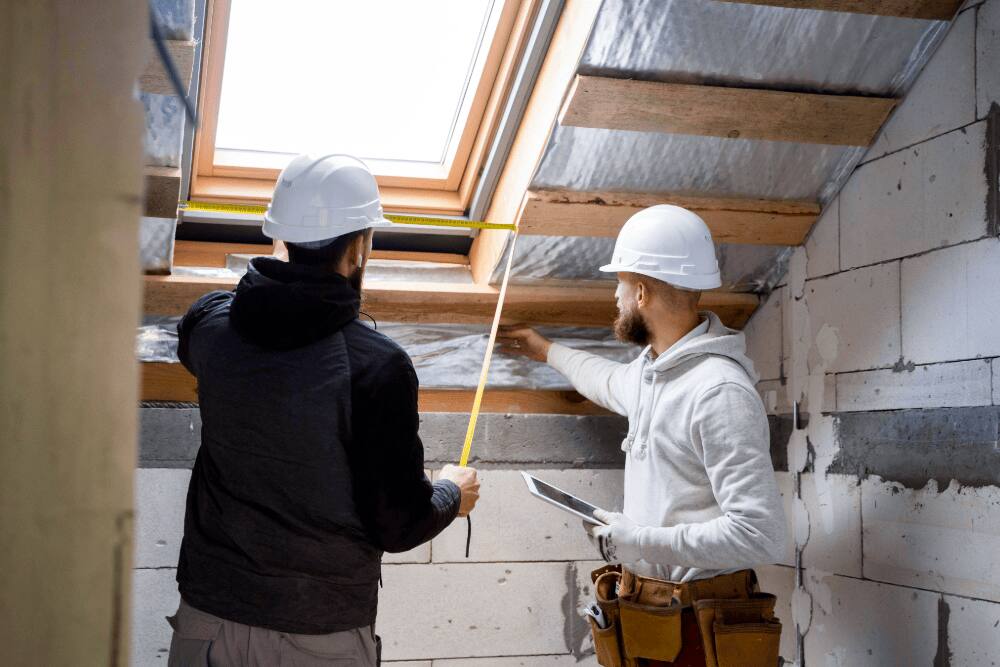
Global climate change is driving up temperatures and increasing cooling demands in buildings, leading to higher energy consumption across Turkey. As energy costs continue to rise, building insulation has emerged as a critical solution for both winter heating and summer cooling efficiency. İzotim CEO Salim Ünal, highlighting that most existing buildings in Turkey lack adequate building insulation, states: “If all structures were brought up to standards, approximately 8 billion dollars in annual energy savings could be achieved nationwide.”
Cooling Systems Drive Global Energy Demand
According to International Energy Agency (IEA) data, cooling systems account for 10 percent of global electricity demand, and this rate is rising rapidly, particularly in developing countries. U.S. Department of Energy (DOE) reports show that residential air conditioning units in the U.S. alone consume 185 billion kWh of electricity annually, causing 140 million tons of carbon emissions.
The “TS 825-Thermal Insulation Rules in Buildings Standard” revised by the Turkish Standards Institution (TSE) mandates that new buildings be designed according to both heating and cooling needs, raising building insulation standards.
Facade Systems: Key Component of Building Insulation
Facade systems, one of the most important components of building insulation, play a vital role in energy efficiency as well as aesthetic considerations. Properly designed building insulation prevents overheating in summer, reducing air conditioning use, while minimizing heat loss in winter, lowering energy costs.
Industry Representative Emphasizes Building Insulation
İzotim CEO Salim Ünal provides the following assessment regarding building insulation’s contribution to the national economy: “Insulation is a versatile solution that provides energy efficiency in all four seasons. A large portion of existing buildings in Turkey have insufficient or inadequate insulation. If all structures were brought up to insulation standards, studies suggest that approximately 8 billion dollars in annual energy savings could be achieved nationwide. Forty percent of energy consumption occurs in residential buildings.”
High Efficiency Rates with Quality Building Insulation
Ünal shares the following information regarding the effects of properly applied building insulation: “With properly executed exterior facade insulation, a building’s energy savings can range between 40-60 percent. This rate may vary depending on the building’s current condition, facade orientations, climate zone, and characteristics of the system used. However, significant reductions are generally achieved in both heating and cooling costs.
One of the most current and concrete examples of this approach is the Ayşe Sultan Evleri project we implemented in Istanbul Pendik. In this residential project consisting of 34 units in 2 blocks, we applied a comprehensive insulation and facade strategy, centering energy efficiency and sustainability principles. Within the project scope, insulation thicknesses were increased, special thermal insulation glass systems were preferred, and solar energy systems were integrated into the roofs. As a result of all these improvements, an additional 36 percent savings was achieved in the buildings’ annual energy consumption.”
