

Industrial Economy
15 trends shaping 2030 for the success of the manufacturing sector in a changing world

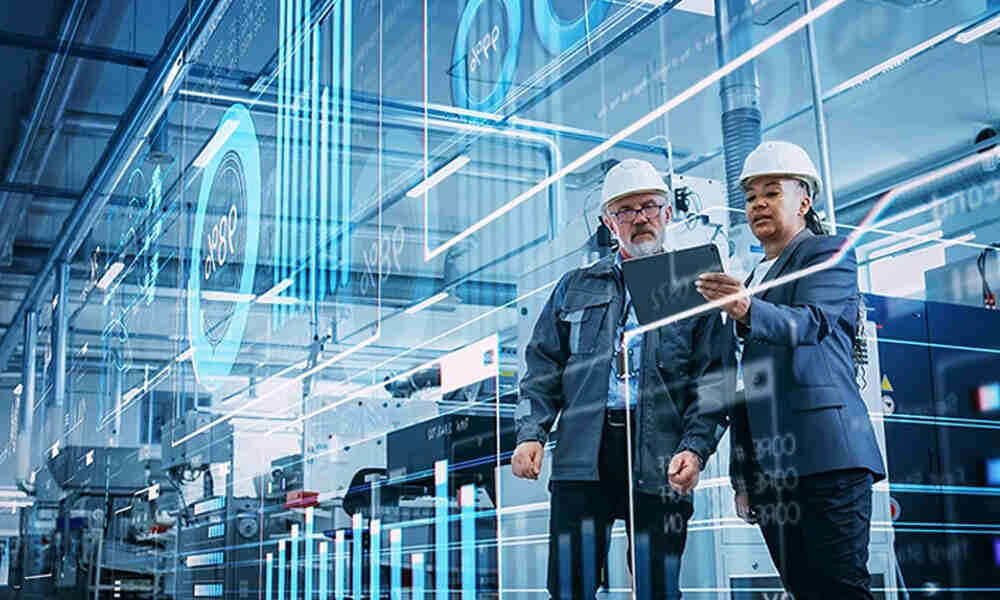
As the world continues to evolve, manufacturing is also at a turning point. The days of merely responding to market demands are long gone. Today, the ongoing effects of geopolitical tensions and rising customer demands are placing unprecedented pressure on business ecosystems everywhere. That’s why manufacturers must take the lead in shaping the production and use of products. However, the rise of the smart factory, digital manufacturing, and the emergence of new manufacturing technologies and materials present several opportunities for manufacturing industries to overhaul their operations while meeting today’s challenges. Dassault Systèmes recently published a manifesto outlining 15 industrial trends shaping the world’s 2030 strategy. These trends include shifting from reactive to proactive approaches, embracing innovation and sustainability, adopting digitalization and artificial intelligence, streamlining operations, adopting new business models, collaborating for an efficient supply chain, improving adaptability, and succeeding in a rapidly changing world.
Underlying these trends is the need for manufacturers to not only adapt to a rapidly changing world, but also to drive innovation and growth over the next decade. From making circularity a reality to embracing ecosystem-based business models, manufacturers must continue to take innovative steps to stay relevant and competitive.
One of the main trends emphasized in the manifesto is the transition to sustainable production. Consumers demand products that are both environmentally friendly and socially responsible. This means manufacturers need to take a more holistic approach to production, considering the entire lifecycle of a product, from design to disposal. By embracing circularity, manufacturers can create products designed to be reused, repaired and recycled. Thus, they can minimize their impact on the environment by producing less waste.
Digitalization can change the face of the industry. From virtual prototyping and simulation to artificial intelligence and the Internet of Things (IoT), digital technologies are transforming the way products are designed, manufactured and maintained. By adopting these technologies, manufacturers can streamline their operations, reduce costs, and increase product quality and reliability.
But digitalization also means that manufacturers must be ready to adapt to new business models. For example, ecosystem-based models require manufacturers to collaborate with suppliers, customers and other partners to create a more integrated and efficient supply chain. This requires approaching work with a new way of thinking and being eager for change.
The manufacturing industry is at a turning point where manufacturers must lead change, shape product creation, and deal with uncertainty. Businesses can thrive in a rapidly changing world by remaining agile and adaptable. Thus, businesses can prepare their operations for the future and usher in a new era of innovation and growth.
Hakan Kul, Dassault Systèmes Türkiye Country Manager



